
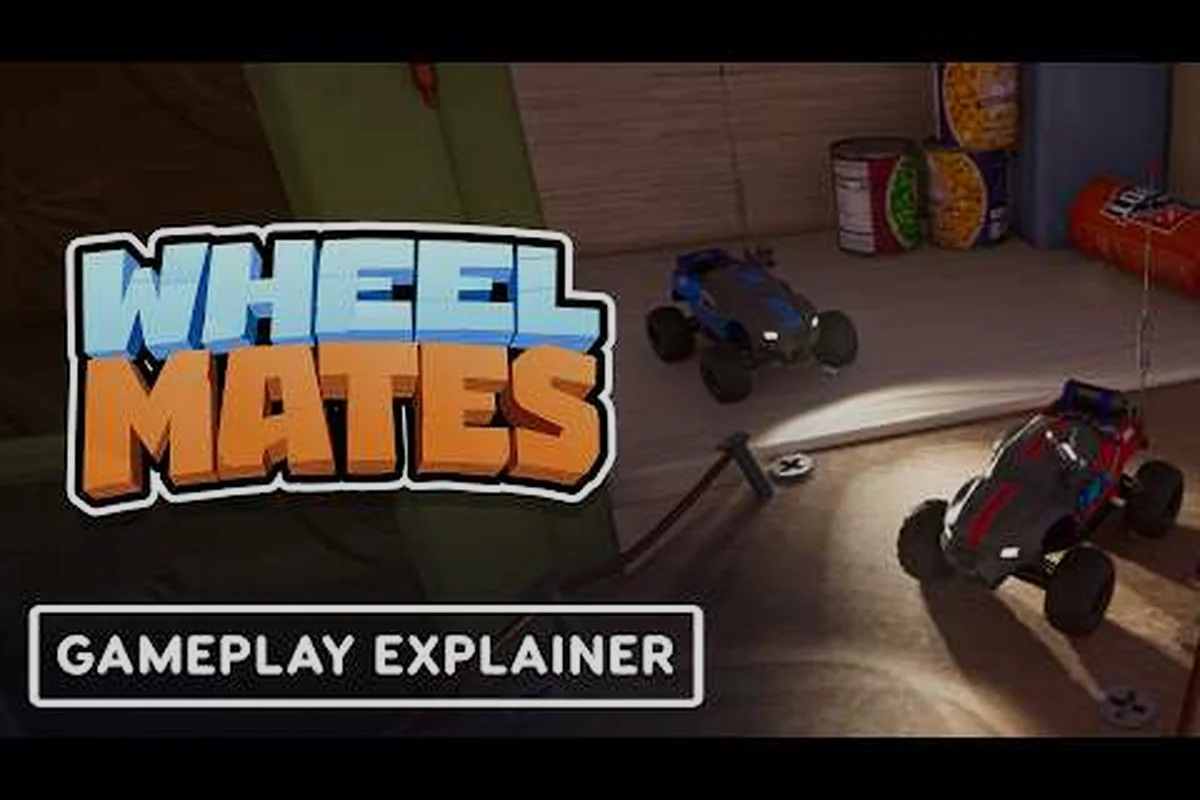
WheelMates te deja caer a ti y a un compañero en el desordenado laboratorio doméstico de un profesor, donde dos pequeños autos RC deben trabajar juntos para resolver acertijos y correr a través de obstáculos de gran tamaño. Antes de enfrentar el primer desafío, sin embargo, necesitas ajustar los fundamentos de tu guía de configuración de wheelmates, porque el comportamiento predeterminado de la cámara puede sentirse flotante y desorientador en las primeras carreras. Los hilos de la comunidad en las discusiones de Steam ya señalan la cámara como el mayor punto débil temprano, con jugadores describiéndola como "realmente rota" de fábrica. Esto no es solo un problema cosmético, porque una cámara inestable afecta directamente qué tan bien puedes navegar por los pasillos estrechos del laboratorio y las secciones de cuerdas para balancearse. La buena noticia es que un puñado de ajustes específicos en tu configuración óptima de wheelmates transforma el caos en un paseo fluido y agradable. Esta guía de configuración de wheelmates recorre cada opción que importa, incluidos los modos de cámara, la sensibilidad de entrada, las zonas muertas y los ajustes preestablecidos de rendimiento, para que pases menos tiempo peleando con la interfaz y más tiempo conduciendo.
Por Qué Importa la Configuración de WheelMates para el Juego Cooperativo
WheelMates está construido alrededor de dos jugadores compartiendo el mismo entorno, por lo que la configuración que elijas afecta tanto tu propia vista como la capacidad de tu compañero para mantenerse orientado. Cuando un jugador usa un campo de visión diferente y el otro usa uno más amplio, el juego se rompe porque literalmente ves diferentes partes de la misma habitación. Según la página oficial de WheelMates en Steam, el juego admite cooperativo local, cooperativo en línea y pantalla dividida, y todos estos modos heredan el mismo menú de configuración, lo que significa que una sola configuración debe funcionar para ambos jugadores a la vez.
Lograr tu guía de configuración de wheelmates correcta importa por tres razones prácticas: en el juego cooperativo, la velocidad de seguimiento predeterminada de la cámara de seguimiento puede desincronizar tu vista de la posición de tu compañero durante curvas cerradas, y la sensibilidad de rotación del modo de cámara libre determina qué tan rápido puedes detectar obstáculos entrantes, mientras que los modos de cámara no coincidentes entre jugadores causan desorientación espacial que lleva directamente a recogidas perdidas y penalizaciones de colisión evitables.
-
Comportamiento consistente de la cámara mantiene a ambos jugadores en la misma página durante las secciones de cuerdas para balancearse y las curvas cerradas, porque un giro repentino de la cámara puede enviar un auto RC directamente contra una pared.
-
Ajuste de entrada receptivo reduce la frustración de saltos fallidos y dirección, que es la razón más común por la que los compañeros cooperativos abandonan a mitad de sesión.
-
Rendimiento estable evita tartamudeos durante las escenas de laboratorio más concurridas, y dado que el juego está verificado para Steam Deck, los jugadores portátiles también necesitan una velocidad de fotogramas constante.
Los jugadores en la comunidad de Steam informan que el manejo predeterminado de la cámara se siente "realmente roto" hasta que ajustas la distancia de seguimiento y la sensibilidad, razón por la cual esta guía prioriza la configuración de la cámara antes que cualquier otra cosa. La buena noticia es que todas las opciones se pueden ajustar desde el menú de pausa, por lo que puedes probar los cambios en vivo sin reiniciar una carrera.
Modos de Cámara de WheelMates: Cámara de Seguimiento vs Cámara Libre
La cámara es el corazón de cualquier guía de configuración de wheelmates, y WheelMates viene con dos modos de cámara distintos que controlan cómo la vista sigue a tu auto RC. La elección entre ellos importa porque cambia cómo percibes el entorno, y la mayoría de los jugadores terminan cambiando entre los dos dependiendo de la sección.
Cámara de Seguimiento: La Elección Cooperativa Predeterminada
La Cámara de Seguimiento mantiene la vista detrás y ligeramente por encima de tu auto RC, siguiendo su movimiento con un retraso suave. Este es el modo predeterminado y funciona bien para la mayoría de las secciones de conducción porque te muestra lo que está directamente adelante. La desventaja es que la cámara puede balancearse salvajemente durante giros rápidos, especialmente cuando navegas por los pasillos estrechos del laboratorio y las superficies de escritorio abarrotadas.
Para el juego cooperativo, la Cámara de Seguimiento suele ser la opción más segura porque mantiene a ambos jugadores orientados en la misma dirección. Cuando ambos conducen hacia el mismo objetivo, la perspectiva compartida reduce la confusión y facilita la coordinación. La desventaja es que la cámara de seguimiento resiste la mirada manual, lo que puede sentirse restrictivo durante las secciones de acertijos donde necesitas inspeccionar la habitación.
Cámara Libre: Precisión y Exploración
La Cámara Libre te da control total sobre la vista, permitiéndote desplazarte, hacer zoom y rotar independientemente del movimiento de tu auto. Este modo es ideal para resolver acertijos y explorar, porque puedes mirar alrededor de la habitación sin mover tu vehículo. También es la mejor opción para las secciones de cuerdas para balancearse del juego, donde necesitas alinear un balanceo antes de comprometerte.
La desventaja es que la cámara libre requiere más entrada manual, lo que puede ser abrumador durante segmentos de conducción rápida. Si tu compañero prefiere la Cámara de Seguimiento, mezclar los dos modos puede crear confusión, por lo que vale la pena acordar una configuración compartida antes de una sesión. La tabla a continuación resume las diferencias clave.
| Modo de Cámara | Mejor Para | Debilidades | Mejor Para |
|---|---|---|---|
| Cámara de Seguimiento | Cooperativo, conducción, curvas cerradas | Se siente flotante durante cambios rápidos de dirección | Principiantes, parejas cooperativas |
| Cámara Libre | Exploración, acertijos, cuerdas para balancearse | Requiere control manual de la cámara | Jugadores en solitario, solucionadores de acertijos |
Las pruebas de la comunidad muestran que la mayoría de los jugadores cambian entre los dos modos a mitad de nivel, y el juego te permite vincular un botón de alternancia de modo de cámara a un botón del controlador para cambios rápidos. Si deseas un control más fino sobre el comportamiento de la cámara, la guía de ajuste de cámara de WheelMates cubre las curvas de sensibilidad y los valores de distancia de seguimiento en detalle.
Configuración Óptima de WheelMates para Rendimiento y Gráficos
Más allá de la cámara, tu guía de configuración de wheelmates para gráficos y rendimiento determina qué tan fluido funciona el juego en tu hardware. WheelMates no es un título pesado, pero el entorno de laboratorio abarrotado con sus muchos objetos dinámicos y efectos de iluminación puede exigir más a las GPU de gama baja de lo que podrías esperar.
Ajustes Preestablecidos de Gráficos para Hardware de Gama Baja
Si juegas en una computadora portátil modesta, los ajustes más impactantes para modificar son la calidad de sombras, el desenfoque de movimiento y el límite de velocidad de fotogramas. Apagar el desenfoque de movimiento es una recomendación común porque elimina el ruido visual durante los movimientos rápidos de la cámara, y también mejora la claridad percibida. Reducir la calidad de sombras a media tiene poco impacto en el aspecto del juego, ya que la iluminación del laboratorio es mayormente estática y plana.
El límite de velocidad de fotogramas es otro ajuste importante, y limitarlo a 30 FPS en un monitor de 60 Hz es la opción más segura para hardware de gama baja. Esto reduce la carga de la GPU y mantiene el juego estable durante las secciones de cámara más concurridas, lo cual es especialmente importante en cooperativo cuando ambos autos están en pantalla a la vez.
| Ajuste | PC de Gama Baja | PC Recomendada | Steam Deck |
|---|---|---|---|
| Calidad de Sombras | Media | Alta | Alta |
| Desenfoque de Movimiento | Apagado | Apagado | Encendido |
| Límite de Velocidad de Fotogramas | 30 FPS | 60 FPS | 60 FPS |
| Resolución Dinámica | Encendido | Encendido | Encendido |
| Vsync | Apagado | Apagado | Apagado |
Ajuste de Rendimiento para Steam Deck
WheelMates está verificado para Steam Deck, por lo que funciona bien en la consola portátil, pero aún así querrás ajustar algunos ajustes para la mejor experiencia. Lo más importante es habilitar la resolución dinámica, que permite que el juego reduzca su resolución interna durante escenas concurridas para mantener la velocidad de fotogramas estable. También debes limitar la velocidad de fotogramas a 60 FPS y deshabilitar vsync, porque la pantalla del Deck maneja bien el desgarro.
En la pantalla más pequeña del Deck, es posible que desees aumentar ligeramente la sensibilidad de la cámara, porque el valor predeterminado está ajustado para un monitor grande y puede sentirse lento en una consola portátil. Si planeas jugar en el Deck, la guía de requisitos del sistema de WheelMates proporciona un desglose completo de los objetivos de hardware y las expectativas de rendimiento.
Mejores Ajustes de WheelMates para Controles y Entrada
Los ajustes de controles son donde muchos jugadores sienten que la configuración predeterminada del juego se queda corta, especialmente cuando dos personas comparten el mismo teclado. WheelMates ofrece soporte tanto para teclado como para controlador, y el menú de configuración cubre ajustes de sensibilidad de dirección, respuesta del acelerador y zona muerta.
Reasignación de Teclas para Cooperativo en el Mismo Teclado
Para el juego cooperativo de dos jugadores en un solo teclado, las asignaciones de teclas predeterminadas pueden entrar en conflicto porque ambos jugadores pueden necesitar las mismas teclas. El juego admite la reasignación completa de teclas, por lo que puedes asignar a cada jugador un conjunto separado de teclas. Por ejemplo, un jugador puede usar WASD y el otro puede usar las teclas de flecha, y también puedes reasignar los botones de acción para evitar superposiciones.
El ajuste de zona muerta es especialmente importante para la entrada del controlador, porque una zona muerta predeterminada demasiado grande hace que el auto se sienta lento, mientras que una demasiado pequeña lo hace nervioso. Una zona muerta de alrededor del 10% es un buen punto de partida para la mayoría de los controladores. Los ajustes de sensibilidad de dirección y respuesta del acelerador controlan qué tan rápido reacciona el auto a la entrada, y muchos jugadores encuentran que una sensibilidad de dirección ligeramente más baja facilita el control de las curvas cerradas.
| Ajuste de Control | Predeterminado | Recomendado | Por Qué |
|---|---|---|---|
| Sensibilidad de Dirección | 50% | 60% | Más baja = giros más estables |
| Respuesta del Acelerador | 50% | 55% | Ligeramente más alta para arranques receptivos |
| Zona Muerta | 15% | 10% | Reduce el retraso de entrada |
| Sensibilidad de Cámara | 50% | 45% | Control de cámara más suave |
Para un recorrido completo de las asignaciones de teclas y el soporte del controlador, la guía de controles de teclado de WheelMates cubre cada opción de entrada, incluido cómo configurar una sesión de dos jugadores en el mismo teclado sin conflictos. Esa guía detalla el flujo de trabajo de reasignación exacto para zonas de entrada divididas, por ejemplo, asignar WASD + Espacio al Jugador 1 mientras mapeas las teclas de flecha + Enter al Jugador 2, para que ambos jugadores puedan dirigir, frenar y derrapar simultáneamente sin entradas fantasma o errores de superposición de teclas. También explica por qué las asignaciones predeterminadas del juego reservan ciertas teclas modificadoras para los cambios de cámara, y cómo reasignar esos modificadores evita cambios accidentales de modo de cámara a mitad de carrera, un problema común en configuraciones de cámara de seguimiento y cámara libre durante el juego cooperativo.
Construyendo Tu Guía de Configuración de WheelMates por Escenario
Diferentes estilos de juego requieren diferentes configuraciones, así que aquí te mostramos cómo adaptar tu guía de configuración de wheelmates según tu situación. Los cazadores de tiempos de vuelta deben fijar la cámara de seguimiento a un FOV ajustado de alrededor de 70° con alta sensibilidad de dirección para reducir el retraso de entrada y mantener el ápice en el encuadre. Los exploradores de mundo abierto, por el contrario, quieren la cámara libre con una vista más amplia de 90° y una amortiguación más baja para un encuadre suave y cinematográfico. Los conductores centrados en derrapes necesitan lo opuesto: asistencia de dirección reducida y una cámara de seguimiento más suelta que permita que el auto se salga del encuadre antes de volver a enfocarse, sacrificando precisión por la retroalimentación visual que sostiene derrapes largos.
Para jugadores cooperativos que buscan un flujo suave: Comienza con la Cámara de Seguimiento, mantén la sensibilidad de dirección al 60% y habilita la resolución dinámica para mantener la velocidad de fotogramas estable. Esta configuración mantiene a ambos jugadores en la misma página y evita la frustración durante las secciones con mucha cámara.
Para sesiones de acertijos en solitario: Cambia a la Cámara Libre y baja la sensibilidad de cámara a alrededor del 40%. Esto te da más libertad al inspeccionar los objetos interactivos de la habitación y reduce la posibilidad de que la cámara se balancee mientras alineas un balanceo de cuerda.
Para carreras de velocidad o juego competitivo: Apaga el desenfoque de movimiento, establece el límite de velocidad de fotogramas a 120 FPS si tu hardware lo admite y aumenta la respuesta del acelerador al 60%. Obtendrás la entrada más receptiva posible, y el ruido visual reducido te ayuda a reaccionar más rápido.
Para jugadores de Steam Deck: Habilita la resolución dinámica, limita la velocidad de fotogramas a 60 FPS y deshabilita vsync. La pantalla más pequeña significa que puedes mantener la sensibilidad de la cámara en el valor predeterminado o ligeramente más alta, y el juego se mantendrá estable durante toda la sesión.
Estos son puntos de partida, no reglas estrictas, y el mejor enfoque es probar cada ajuste en las primeras secciones y ajustar según lo que se sienta correcto. El menú de configuración está abierto a mitad de carrera, por lo que puedes modificar cosas en la pantalla de pausa sin perder progreso.
Preguntas Frecuentes
¿Cuál es el mejor modo de cámara para WheelMates?
La Cámara de Seguimiento es la mejor opción para la mayoría de las sesiones cooperativas porque mantiene a ambos jugadores orientados en la misma dirección, lo que reduce la confusión durante las secciones de conducción. Cambia a la Cámara Libre para niveles con muchos acertijos o exploración donde necesites inspeccionar el entorno de forma independiente.
¿Cómo arreglo la cámara que se siente demasiado rápida o flotante?
Baja la sensibilidad de cámara en el menú de configuración y aumenta la distancia de seguimiento de la cámara para reducir el efecto flotante. Muchos jugadores informan que establecer la sensibilidad alrededor del 45% con una pequeña distancia de seguimiento hace que la cámara sea mucho más estable durante las curvas cerradas.
¿Puedo jugar WheelMates con dos jugadores en un solo teclado?
Sí, el juego admite la reasignación completa de teclas, por lo que puedes asignar a cada jugador un conjunto separado de teclas. La guía de controles de teclado de WheelMates cubre configuraciones de dos jugadores en el mismo teclado, evitando conflictos de teclas. En la configuración basada en escenarios, asigna al Jugador 1 el grupo WASD y al Jugador 2 las teclas de flecha más teclas de acción dedicadas, luego prueba ambos modos de cámara antes de una carrera cooperativa.
¿Qué configuración debo usar en Steam Deck?
Habilita la resolución dinámica, limita la velocidad de fotogramas a 60 FPS y deshabilita vsync en Steam Deck. La resolución dinámica escala la resolución de renderizado interna para evitar caídas de fotogramas cuando la cámara de seguimiento activa efectos de partículas en el laboratorio, y el límite de 60 FPS detiene los picos de tiempo de fotograma detrás de las quejas de deriva de la cámara en las discusiones de Steam.
¿Necesito aplicar la misma configuración para el cooperativo en línea?
Sí, la configuración que elijas se aplica tanto al cooperativo local como al en línea. Ambos jugadores comparten la misma configuración de cámara y entrada, por lo que es una buena idea acordar la configuración antes de comenzar una sesión en línea para evitar confusiones.